
Why I left Canon, had a fling with Sony and settled with the Panasonic EVA 1
As a camera owner operator, it is common to upgrade your ‘A’ camera every 3 - 5 years in order to stay up to date with technology and remain competitive. Tech is undeniably moving at a rate previously unseen and it can feel like the manufacturers are constantly tempting us to purchase their latest gadgets. In my opinion, there is a lot of noise that can easily distract content creators from doing what we do best - making great content! All these temptations can make it easy for us to forget that:
Our cameras will probably already be out of date once we’ve bought them (but not unusable - there’s a difference)
Camera bodies will decrease in value far quicker than many of the other equipment we use
For many of us (in online video especially) the latest, most up to date camera is not usually a specific requirement from clients
Unless your marketing strategy involves offering the latest and greatest tech (and ultimately having to charge higher prices), if you’re always getting the latest tech then you’re probably not making much money!
Bearing these things in mind, I look back on my decision 5 years ago to invest in my Canon C100. This is a camera that is now nearly 7 years old since it was first released. During this time the camera has done me proud and the initial investment resulted in a significant step up, both in terms of the amount of work I was getting but also the type of client I was getting. Even now in 2020 this camera is still able to capture a fantastic image for most of my clients, especially considering my investments in lenses.
However, as part of my commitment to continuous improvement, I took the decision to invest in the next camera. The three main considerations I needed which my previous setup did not give me were the ability to shoot in 4K (with a noticeable increase in demand from clients), variable frame rates and a more robust recording format that wouldn’t fall apart when colour grading.
Goodbye Canon, but not farewell.

Canon EOS C100: To this day, I still see great uses for this camera.
Considering how great the C100 has been in terms of image quality, reliability and ergonomics, I REALLY wanted to stick with Canon. The two main options available, considering what I wanted in a camera, would have been the C300mkii or the C200, the latter being the more recent offering from Canon. The problem with the latter were the recording formats - a choice of XF-AVC/MP4 4:2:0 (8 bit) or the new Canon Cinema Raw Light. As much as the RAW footage I saw looked stunning, the day-to-day practicalities of shooting in this format just wouldn’t work for me. C fast 2.0 cards (required to shoot in RAW) are incredibly expensive and for many of the shoots I do would result in an astronomical investment in storage. This left me to consider the XF-AVC/MP4 option. The fact that this wasn’t 10 bit or 422 was in my opinion a huge mistake from Canon. As a C100 shooter how could I justify spending £6K+ on an upgrade that still wouldn’t give me the ability to push and pull my images in post using the ‘every day’ codec without having to add an external recorder. I am certainly not the only one out there who thinks this and if anyone from Canon is reading this; big mistake I tell thee!
The other realistic option available to me was the C300mkii. Now I used this on a shoot once and it was a truly excellent camera, without doubt. One of the reasons I originally chose Canon was for the image quality and ergonomics, and this camera was no exception. As a C100 user it was easy to familiarise myself with it fairly quickly, despite some major design differences, especially regarding the LCD screen. The problem with this option though was it was bordering on the expensive side (around £2K more than the C200) and didn’t have the option of internal RAW for this price. Plus, the odd shape and size of it would have meant an expensive upgrade to my gimbal and slider setup. Not ideal.
Considering all of these factors, the risk (and cost) of switching platforms to me was completely worth it. But it doesn’t spell the end of Canon with me - I will still continue to use my trusty C100 with and without an Atomos recorder for certain jobs that call for it. Plus, the price to performance ratio of L series EF lenses is undeniably superb and many other operators will agree with me.
Sony: tempting, but not quite right for me.
Its been around for a while but everyone was, and still is, talking about the FS7. And quite rightly so - it’s an excellent camera for the buck. Solidly built, good frame rate options and an excellent viewfinder. The problem is, after using it on a shoot a couple of years ago, it is a beast (not quite as much as the Arri Alexa though) and for certain jobs, events in particular, lugging it around would be exhausting. I’m used to carrying far too much stuff on the tube as it is but if a camera is unnecessarily heavy then I’m going to start leaving other bits at home, such as lenses and lights. And I don’t want to be doing that!
My other problem with this camera, and with many of the Sony offerings actually, is I’ve just never loved the images they produce, as I find the colours a bit too neutral and dull. Coming from Canon, the colours coming out of the camera ungraded were stunning and I believe, one of the key reasons why I get hired. As much as you can adjust in post, if I can make beautiful images with only minor adjustments in the edit it saves on editing time, although that’s not to say that colour grading isn’t important. Also, if I’m going to invest a lot of money in a system I want my clients and myself to think ‘wow’ every time we watch carefully lit and composed footage back, whether ungraded or with LUTs applied.
There was an exception to this however, and that came in the form of the A7Sii (eventually to be iii, I’m sure). A full frame mirrorless DSLR that had an image quality to rival Canon’s and could shoot in unbelievably low lighting conditions. However, utilising a DSLR as my A camera was never going to be an option and would feel like a step backwards. The internal codec was still not ideal, the battery life was horrendous and no XLR inputs? The thought is unbearable! No, just no!
One last consideration for switching to Sony - they are incredibly popular in the industry and there is a strong argument that switching to this system, the FS7 in particular, is a safe investment. As many production companies know the system and the workflows they are, in theory, more likely to hire an owner operator with this camera. This is a valid point, but do you know what? Following the crowd isn’t always the best thing to do - in such a competitive industry standing out is far more important in my opinion. Image quality is a number one priority for me and surely that should be for all shooters. This is closely followed by practical aspects such as robust codecs, a choice of variable frame rates and good battery life to stop me stressing each day. Size does matter too (wahey) but everything else can work around it.
Panasonic: I think I’ve found a keeper
After careful consideration I decided to invest in the Panasonic EVA 1. Here’s why:
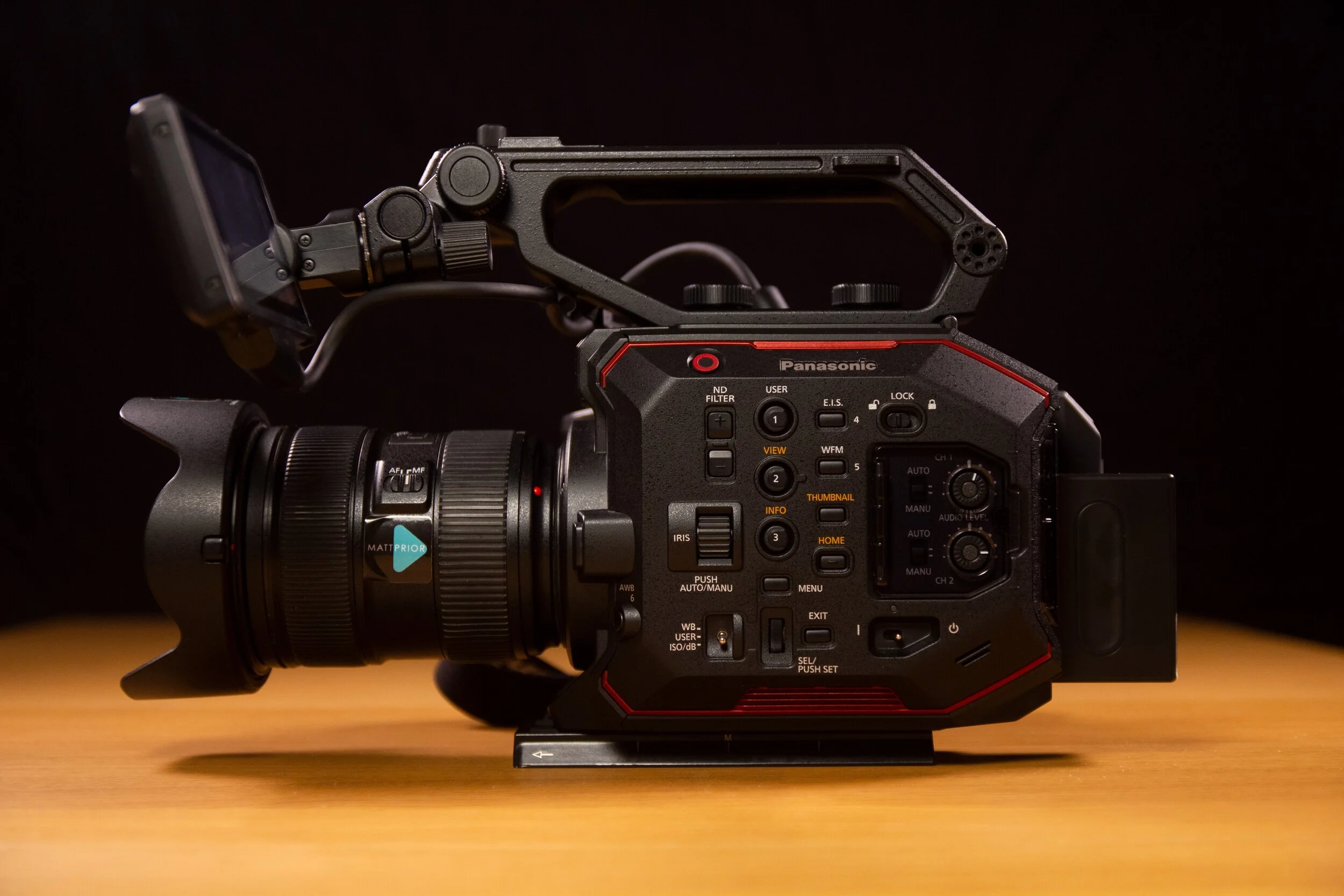
It has an EF mount so no need for any metabones adapters
It is compact and lightweight
Recording format and codec choice is excellent, including options for 10 bit and 422 colour sampling.
The dual native ISO can result in very clean images when pushing the gain
Battery life is excellent and records to affordable SDXC cards
There are many different ways of building the camera and unlike the C100, you can record audio internally without the handle attached
The image is captured on a 5.7K sensor and is downsampled to 4K, 2K & HD accordingly. Just like the C100 would downsample from a 4K sensor, the resulting footage is stunning.
The colour science is incredible, whether baked in with one of the preset looks or captured in V Log. Take a look below at some examples of the Varicam LUTS provided free from Panasonic.
The ability to shoot 5.7K RAW with an optional external recorder future proofs it and opens up the possibilities of shooting higher end commercial and narrative material
Panasonic’s customer service has been highlighted by many as first rate. It seems clear that they listen to feedback from their customers and several free firmware updates have been offered since the camera release including adding a quick switch mode (as requested by users) and introducing the H.265 codec for increased efficiency. You can even talk to a Panasonic rep directly on some of the forums and Facebook groups if you have issues. Great stuff!

Nicest 709 LUT
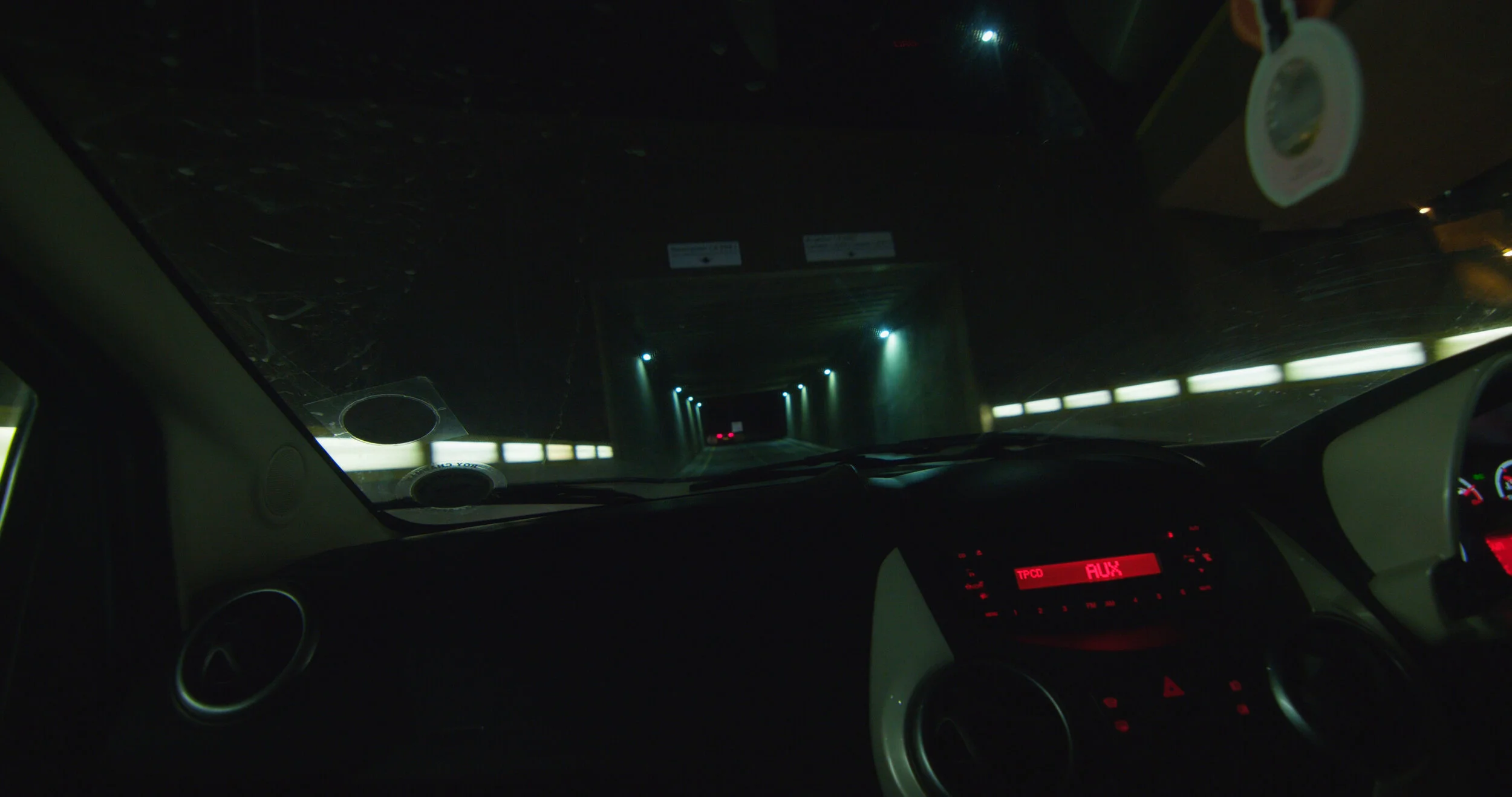
Nicest 709 LUT at night

Golden 1 LUT
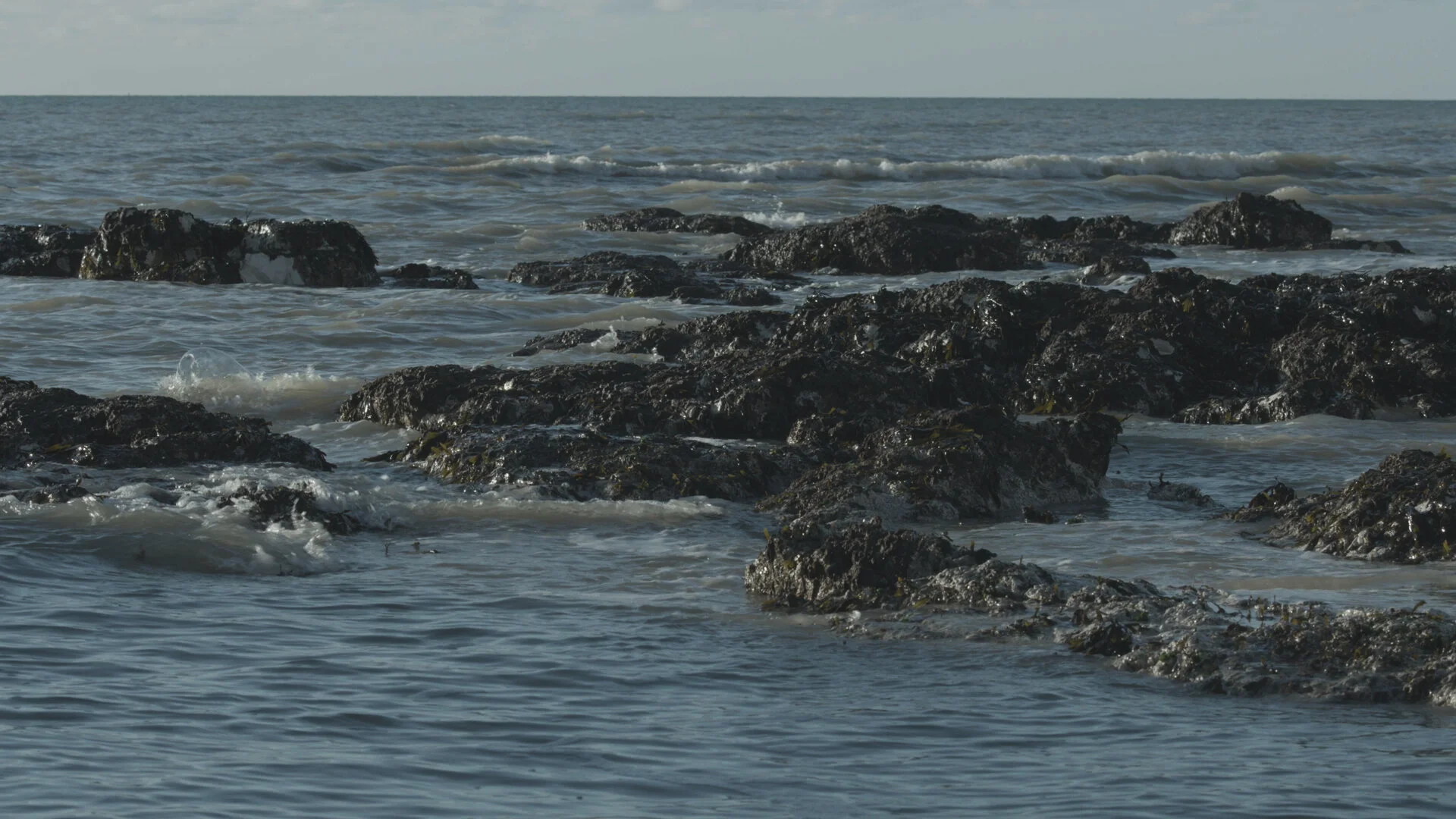
Bleach Bypass Low Con LUT
Whether using the standard Nicest 709 LUT for natural colours or creating a more dramatic look, this camera has excellent range and would fit right in both on commercial and narrative shoots. There are so many creative possibilities available with the EVA 1.
I am very happy so far, but as I’ve mentioned before, no camera is perfect and there is no exception with this one. There is always a compromise to be made. For instance, I had to purchase a Zacuto Z Finder loupe so I could operate outside on bright days as the provided LCD is pretty bad. This is definitely the weakest point about the camera that almost every other owner will agree on! Some have also compared this camera with the competitors and it is not leading the way in terms of low light ability. However, these are both workarounds that I accepted and for the latter, being able to use up to 5000 ISO is still excellent and completely usable in most situations. All cameras have their limitations and certainly for the money, this is still excellent bang for the buck.
To see what the camera could do, I put together a few clips and images showcasing what I’ve got out of the EVA 1 so far:
Visit Ashdown Forest - On location with the Panasonic EVA 1 (4K)
I took the EVA out for a spin on a bright but chilly winter’s day in the beautiful Ashdown forest, East Sussex. Thank you to my lovely partner Emma for standing in as my model.
200 fps slow motion tests (HD)
These are a few high frame rate shots I captured in my tests, shooting between 100 and 200 frames per second in HD (cropped). I noticed some banding in the sky in one shot when shooting 200fps, but as this was in 8-bit it is not a huge surprise. For the most part, I still found the footage pleasing and usable in the majority of situations.
Finally, below are some images taken from a recent commercial shoot. These examples show the Nicest 709 LUT applied to V LOG footage in a controlled, high key environment with preplanned lighting setups. Footage was captured in the highest quality codec possible internally (ALL-I, 400mbps,10-bit, Netflix approved) and using Zeiss CP2 lenses. You can see here that skin tones are flattering, there is a nice amount of contrast and that this camera is certainly capable of creating images that are good enough to go on your TV.
Unfortunately this is so hot off the press that at time of writing the commercial hasn’t actually been edited yet, however the resulting moving images will be shared in a future update.
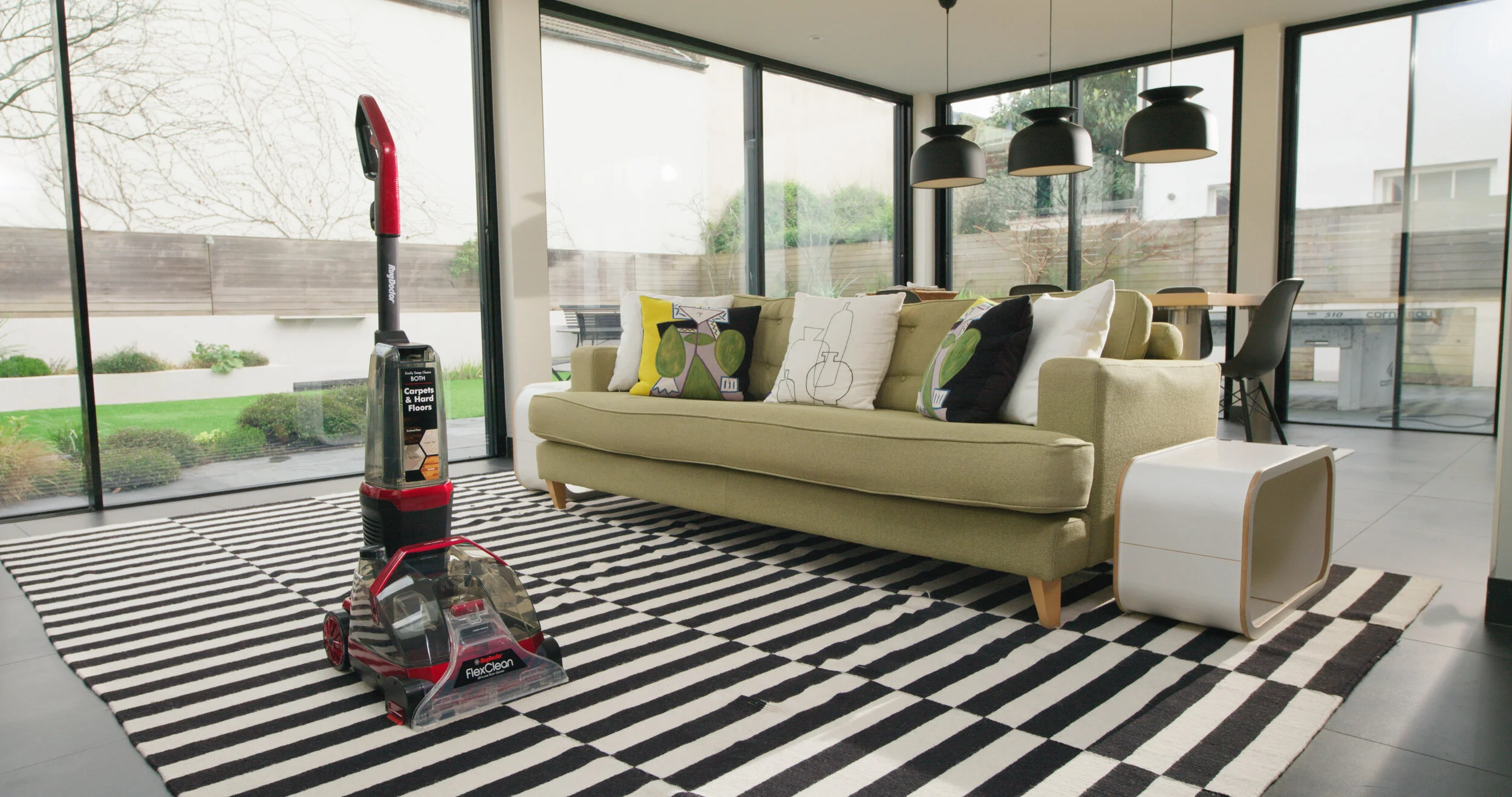
Needless to say, there will be more indepth testing in the weeks ahead.
I’m incredibly excited to shoot upcoming projects on the EVA 1 and I think my clients will love it too. I’m also looking forward to eventually recording some footage in 5.6K ProRes RAW to an external recorder such as the Atomos Shogun Inferno. I will certainly update you when I get the opportunity!
If you enjoyed this post you may also find these interesting:
No matter what camera you use, if the lighting sucks, your image will suck! Here are 5 simple lighting solutions for when time is money.
Are you a horror fan? Check out my top 10 terrifying films with haunting cinematography